
A locally-designed digital health solution is bridging the gap between unimmunised children in underserved communities in Katsina State and health facilities.
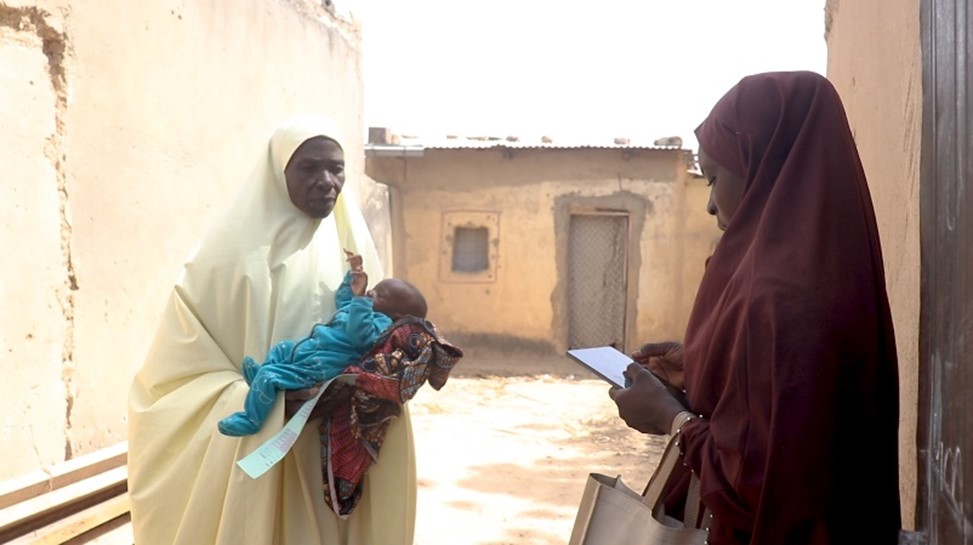
On a Friday in late June, Maryam Shehu and Aisha Tukur Gambo entered a home on the outskirts of Katsina city in northwestern Katsina State, to check on Amina Adamu’s child. The child had received the measles, yellow fever and meningitis vaccines a few days earlier, and the two Community Health Influencers, Promoters and Services (CHIPS) programme agents wanted to be sure Adamu knew when his next jabs were due.
It was only noon, but already Shehu and Gambo were on their fifth home visit of the day. A week’s work for the pair involved tens upon tens of visits – and not long ago, each encounter needed to be manually written up in a record book, which then had to be hauled to the health facility. That process sometimes resulted in loss of data in transit. But in 2023, a digital health application called MCHTrack, developed by local social-tech organisation Datharm, changed that.
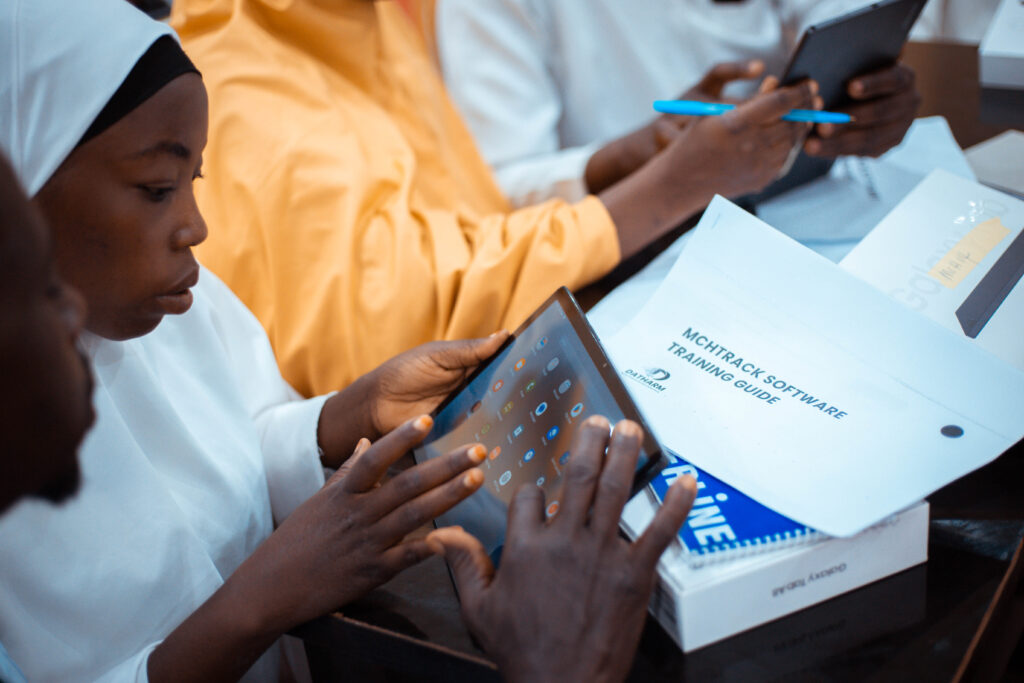
A training session on MCHTrack. Credit: Datharm
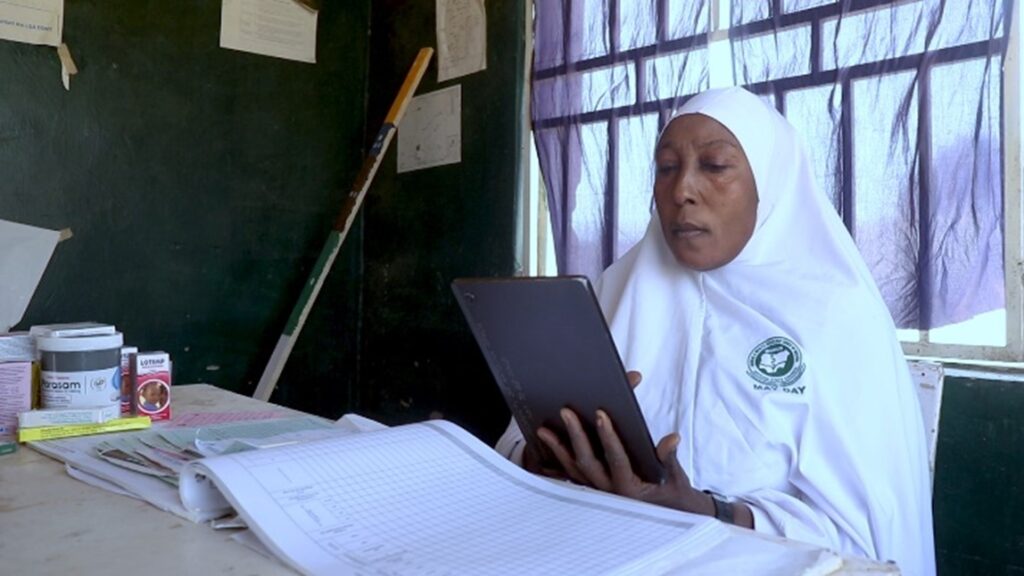
Now Gambo was tapping information into a tablet while she delivered health information – spiced with intermittent humour – to the child’s mother. “There is everything we want to do inside this tablet. We use it to register new households, make referrals, track whether registered persons visit the health facility, send reminders, and more. Routine immunisation is usually conducted every Wednesday at the health facility. We visit families whose children are due for immunisation a day or two before that day to remind them. We also remind pregnant women of their next ANC appointment,” Gambo told VaccinesWork.
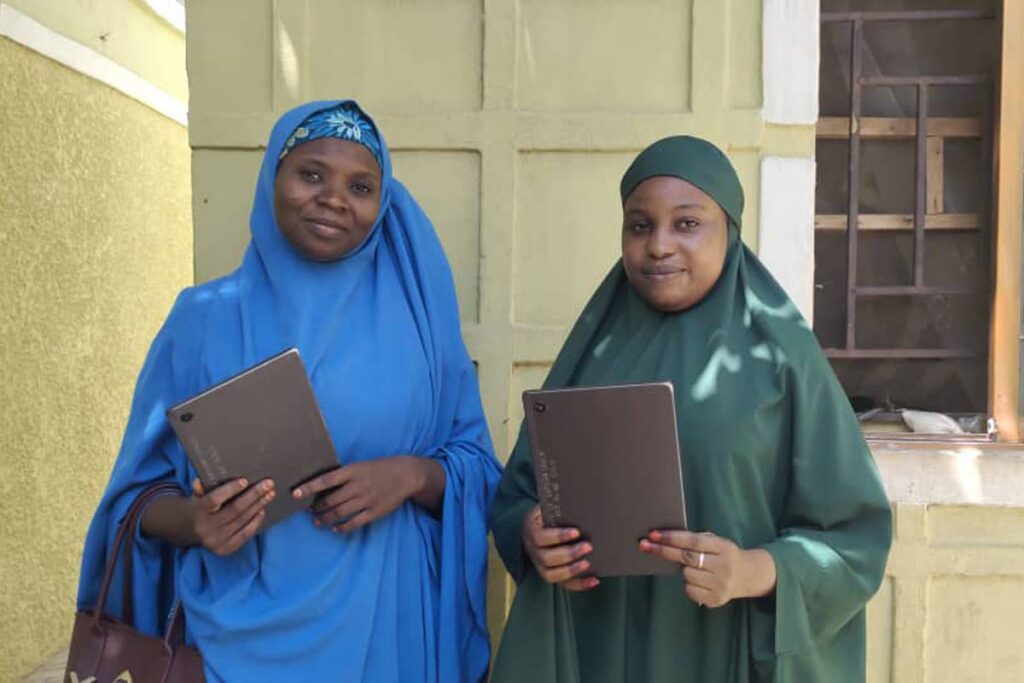
CHIPS agents Maryam Shehu and Aisha Tukur Gambo. Credit: Afeez Bolaji
Keeping kids on track
In partnership with the Katsina State Primary Health Care Agency (KSPHCA), UNICEF and funding from Gavi Health System Strengthening programme, MCHTrack has since been rolled out across seven local government areas (LGAs) in Katsina that have been identified as housing a disproportionate number of unimmunised children.
The app is installed on tablets provided by the KSPHCA and works on three linked levels: at the grassroots, community health agents use it to register settlements, households, women of childbearing age and children, and to make referrals to health facilities. At hospitals, health workers act on those referrals, document services rendered and give feedback on whether the referred persons come or not. The app is also linked to a dashboard that collates all the data.
MCHTrack has seen a significant increase in the number of women attending hospitals and has bolstered immunisation, especially helping reach unimmunised zero-dose children in underserved, hard-to-reach communities, Gambo explained, citing several cases she had referred.
“I met a boy older than a year who had never been immunised and referred him to the health centre. His mother said he had exceeded the age limit for immunisation, but I disagreed with her, counselled her and insisted she take him there. The boy was immunised in my presence. I kept reminding [his mother] of the next appointments and monitoring the progress through MCHTrack until her child was fully immunised,” she disclosed.
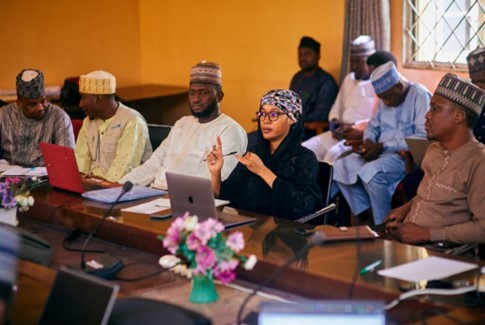
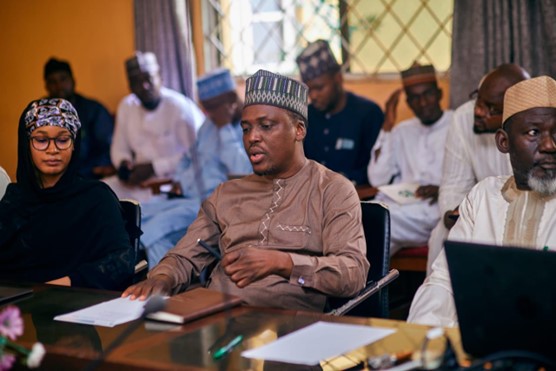
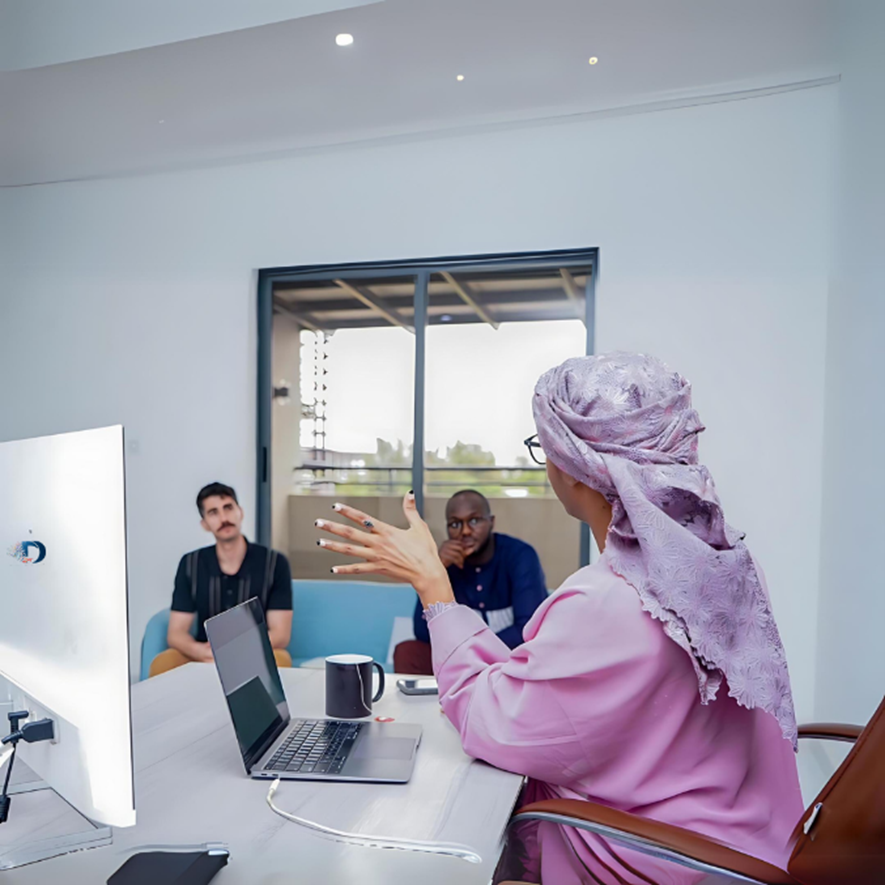
Datharm founder Amina Ahmad Nagogo in session on MCHTrack wth KSPHCA officials. Credit: Datharm
Tracking transformation
Despite significant improvements over the last 30 years, Nigeria’s maternal mortality rate remains at 993 deaths per 100,000 live births, the second-highest in the world. The northwestern and northeastern regions of the country report the highest rates of death in childbirth and pregnancy.
Infants and children are also under-protected in Nigeria. At least 64% of children between ages 12 and 23 months in Nigeria did not receive all recommended vaccines in 2021, and only 62% of children received the third dose of the basic diphtheria, tetanus and pertussis-containing vaccine in 2023. The northwest region reports the lowest immunisation coverage in Nigeria.
I met a boy older than a year who had never been immunised and referred him to the health centre. The boy was immunised in my presence. I kept reminding [his mother] of the next appointments and monitoring the progress through MCHTrack until her child was fully immunised.
– Aisha Tukur Gambo, community health worker
That’s data MCHTrack hopes to see transformed. The app was piloted in 2019 in two health facilities with the express of aim of seeing what technology could do to help address maternal mortality, said the founder of Datharm, Amina Ahmad Nagogo.
“We wanted to see if we could use a digital tool to line-list women and track the process of pregnancy from inception through the antenatal care services to birth at health facilities, identifying at-risk pregnancies and ensuring the required health services are rendered in the process,” she explained, adding that the Katsina state government embraced the app after a successful test run, before it was scaled up to also track immunisation.
“We have rolled out MCHTrack in 76 wards, and enlisted over 450 settlements in seven out of the eight [high] zero-dose LGAs in Katsina, leveraging community resource groups. These include VCMs [voluntary community mobilisers] and CHIPS agents engaged by UNICEF and the state government, respectively.
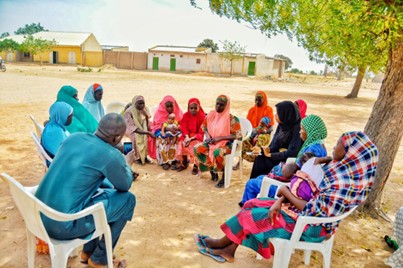
“The community agents reside within these communities and if there are defaulters who do not comply with referrals, they advise and counsel them. Reasons for defaulting are recorded, and serve as insights to understand why certain communities are not accessing health services and what targeted interventions can be made.
“Last year, we found out that certain communities were not going to the health facility because of distance and lack of transport. The Katsina State Primary Health Care Agency (KSPHCA) requested the data and leveraged it to organise an outreach for zero-dose children in those communities, together with the health facility,” Nagogo said.
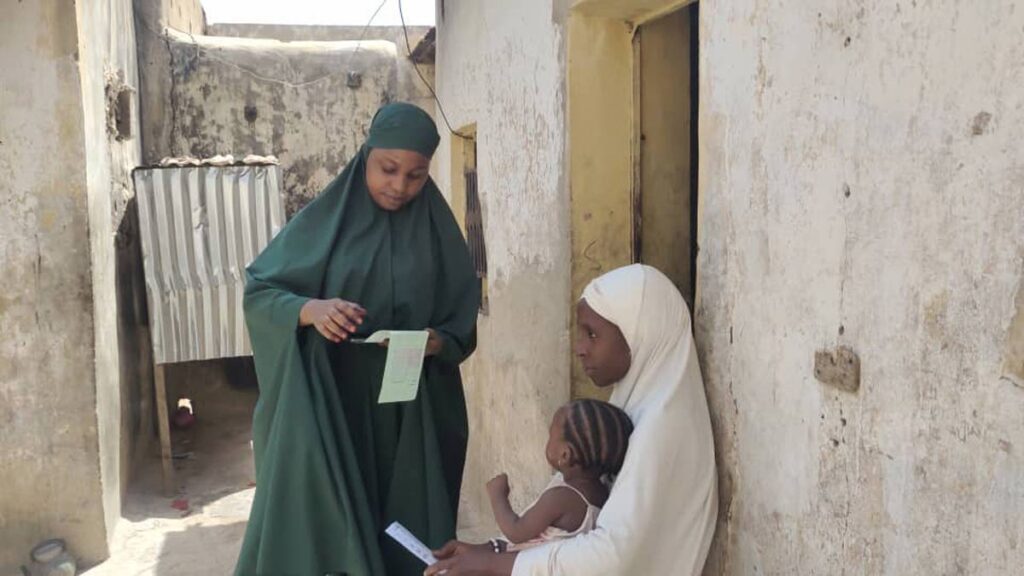
Aisha Tukur Gambo during a visit to household in Unguwar Alkali. Credit: Afeez Bolaji
The right track
Katsina is one of eight states that signed an agreement with Gavi on primary healthcare strengthening in back in 2022, says KSPHCA Executive Secretary, Dr. Shamsuddeen Yahaya. Since then, the government has been coming up with innovative ways to reach previously unimmunised children with vaccines, and improve other key primary health care indicators such as antenatal care attendance and facility-based births.
“One of the reasons pregnant women die is because they don’t go to the facility to deliver. That is why we have very high maternal mortality in Katsina and many of the northwestern states. But with the use of this technology, a lot of women are being referred and linked to the facility. They are linked up right from ANC, to delivery, and postnatal.
“We partner with Datharm and they deploy their innovative technology while we provide tablets for CHIPS agents to identify pregnant women and children, who are supposed to receive routine immunisation, and refer them to health facilities,” he added.
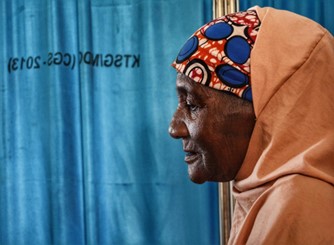
The app now makes me take antenatal care very seriously, and I have never missed my children’s immunisation schedule. My last child received three vaccines a few weeks ago. I am waiting for her next appointment.
– Amina Adamu, mother of two, Unguwar Alkali community
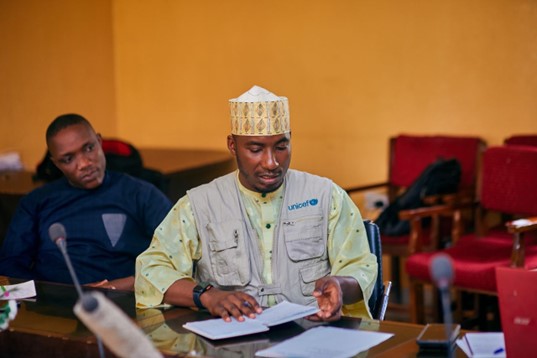
Mustapha Lawal, MCHTrack Project Coordinator in Katsina, reports 152 CHIPS agents, plus VCMs and two health workers from each facility have been trained in the use of the app. This has led to some remarkable progress in maternal and child health care, he says.
“So far, MCHTrack has registered 9,379 women and 17,250 children. It has referred 16,070 persons, out of which 12,724 were children and 3,346 were women. 9,913 or 78% of the children were referred for routine immunisation. We have also recorded 26,109 hospital visits comprising 20,657 children, out of which 14,027 received routine immunisation and 4,856 received other services, while 5,452 women received ANC and other services. We have also identified 2,460 zero-dose children and resolved 1,806 cases, representing a 71% success rate. We have tracked 362 defaulters and resolved 70.79% of the cases,” Lawal reveals.
When one of my children had measles, it was traced to incomplete vaccination. A CHIPS agent kept monitoring her with the app until she completed her immunisation. I’ve noticed that she barely falls sick and now realise that vaccines can prevent or reduce the seriousness of many childhood diseases.
– Maryam Sulaiman, mother of four, Saronkuka community
Innovations including MCHTrack have seen immunisation coverage in Katsina leap over the past five years, Yahaya told VaccinesWork, citing data from the Demographic Health Survey (DHS) progress tracker.
“According to the DHS, the number of children fully immunised in Katsina increased from 21% in 2018 to 45% in 2023/2024; the number of children who received measles (MCV1) vaccinations jumped from 35% to 54%; DPT1 vaccinations rose from 43% to 60%, while DPT3 vaccinations increased from 34% to 53% during the period. We are currently focusing on eight out of 34 LGAs in the state and we plan to scale the programme to other LGAs once we get more funds,” Yahaya said.
Bumps in the road
Despite these impressive results, the digital innovation has faced challenges, ranging from insecurity in some areas, to technical glitches. Datharm and the state government have found the means – which range from technical fixes to the deployment of old-fashioned street-smarts – of managing these obstacles.
“In security-compromised areas, CHIPS agents and VCMs go out on specific days which usually coincide with market days when there is a lot of movement of people and more presence of security personnel. Also, some workers, especially the CHIPS agents, initially struggled with the application usage, but after training and retraining, they caught up and everything started going very well.
“There is an issue of internet connectivity sometimes, but the application is designed in such a way that it can work even when there is no adequate network. It was designed to work offline and upon availability of network, it synchronises [data] automatically. So lack of network service will not limit them from doing their work,” Lawal said.
Women share encounters with app
Several women VaccinesWork spoke to highlighted how the MCHTrack has helped encourage them to seek healthcare services. During CHIPS agent Shehu and Gambo’s visit to her house, Adamu remarked that she and her children have been consistently embracing medical care through MCHTrack.
“I registered for antenatal care and visited the hospital regularly because of the constant reminders by the community health agents. I gave birth to my two children at the health centre.
“The app now makes me take antenatal care very seriously, and I have never missed my children’s immunisation schedule. My last child received three vaccines a few weeks ago. I am waiting for her next appointment,” she added.
Being enrolled in the digital mobile application is also paying off for Maryam Sulaiman, a mother of four from Saronkuka community.
“It helps me and my children to stay healthy. When one of my children had measles, it was traced to incomplete vaccination. A CHIPS agent kept monitoring her with the app until she completed her immunisation. I’ve noticed that she barely falls sick and now realise that vaccines can prevent or reduce the seriousness of many childhood diseases,” she said.

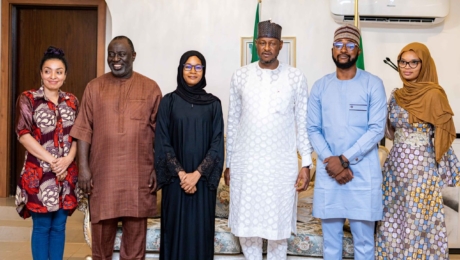
In Nigeria, high maternal and child mortality rates remain an urgent public health challenge. According to World Bank estimates, the country’s maternal mortality rate stands at a staggering 800 per 100,000 live births. This translates to one woman losing her life due to pregnancy or childbirth every 10 minutes, amounting to a heartbreaking 53,000 deaths annually.
A pioneering initiative led by Datharm, a technology-driven organization, is making significant strides in addressing this crisis through an innovative digital solution known as MCHTrack. The Maternal and Child Health Track (MCHTrack) project began in 2019 with a successful pilot phase in select Local Government Areas (LGAs) in Katsina State. Through its Katsina State pilot, MCHTrack has demonstrated the potential for scalable interventions to improve maternal and child health outcomes.
Alignment with National Priorities on Reducing Maternal and Neonatal Mortality Rates with Initiatives such as the MAMII Project
MCHTrack aligns with national priorities to reduce maternal and neonatal mortality by improving health facility utilization for children and pregnant women. The initiative emphasizes community engagement and health system strengthening as foundational strategies for improving maternal healthcare.
MCHTrack’s design is informed by a collaborative, multi-stakeholder approach that reinforces government and community-led efforts to address maternal mortality across Nigeria. Notably, it complements the objectives of initiatives such as MAMII (Maternal and Neonatal Mortality Reduction Innovation and Initiatives) led by the esteemed Coordinating Minister of Health and Social Welfare, Prof. Ali Pate , which share a focus on improving access, quality, and equity in maternal health services.
By engaging communities, healthcare facilities, and governance structures, MCHTrack promotes a holistic approach that integrates seamlessly into the broader ecosystem of maternal health innovations being scaled nationwide.
This strategic alignment ensures that MCHTrack makes a meaningful contribution to shared national goals—strengthening the continuum of care for women and children, enhancing the responsiveness of service delivery systems, and supporting sustainable health outcomes across targeted regions.
Bridging the Gap Between Communities and Healthcare Facilities
Founder and CEO of Datharm, Amina Ahmad K.U Nagogo, is the key mind behind this transformative project. With experience developing digital tools internationally, she returned to Nigeria with a mission to leverage technology for social impact.
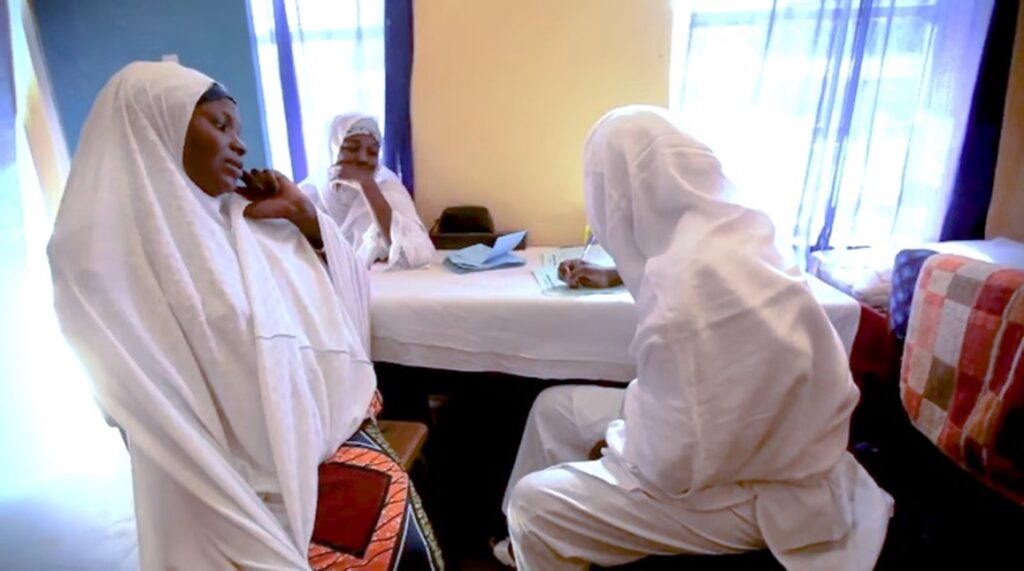
“MCHTrack helps link communities with health facilities by strengthening communication and coordination,” Amina explains. “Community health agents use the system to record households in need of maternal and child health interventions—whether it’s a pregnant woman requiring antenatal care or a child needing immunization. This data is then transmitted to health facilities, enabling them to plan better for service delivery.”
The system provides reminders to caregivers, ensuring that no child is left without vital vaccinations. “If a child has not been immunized, community agents will actively reach out to the household, emphasizing the consequences of missing routine immunization,” she adds.
Transforming Healthcare in Katsina
Amir Abdulkadir, a senior health official in Katsina, highlights the program’s impact. “MCHTrack is a game-changer for maternal and child health in Katsina. It connects health workers with caregivers, allowing for better planning and coordination of services.”
Through its initial pilot in Katsina State, the MCHTrack project has seen impressive results. Covering 76 wards and 423 settlements, the initiative has registered over 15,320 women and children, ensuring they receive essential healthcare services.
“The goal is to identify pregnant women and link them to health facilities for antenatal care,” Amir explains. “For children under five, we ensure they receive routine immunizations and medical attention when needed.”

Overcoming Challenges, Scaling for the Future
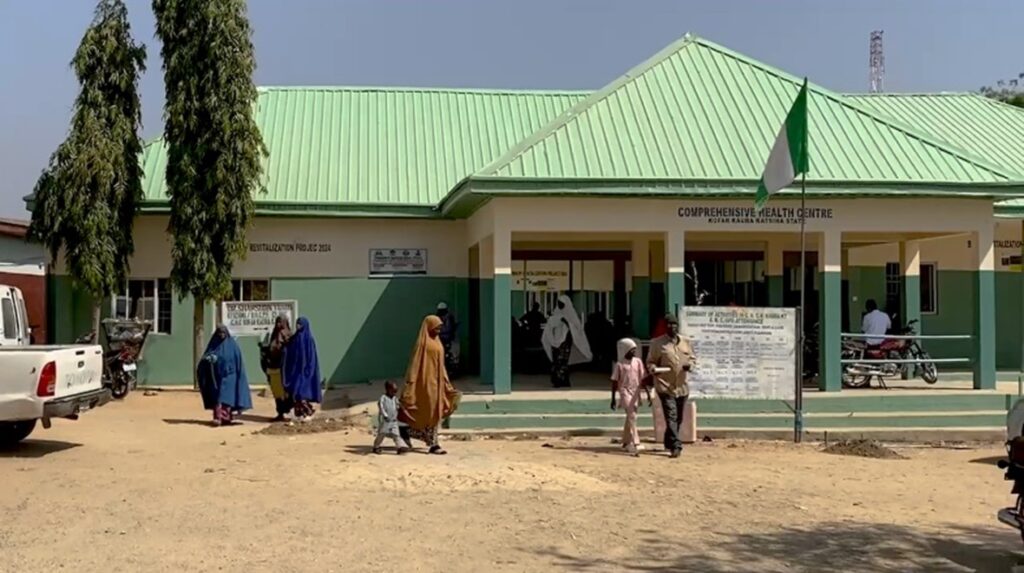
Despite its successes, implementing MCHTrack has not been without challenges. Issues such as poor connectivity, lack of electricity in rural areas, and security concerns have posed hurdles. However, stakeholders remain committed to finding solutions.
“There are still remote areas with limited internet access,” says Amir. “We also face power shortages in some rural facilities, making it difficult for health workers to use digital tools consistently.”
Security concerns in border communities, where banditry remains a threat, have also affected program implementation. However, local authorities and community volunteers are working together to mitigate these risks and ensure the continued success of the project.
Government Support and Expansion Plans
The Katsina State government has embraced MCHTrack as part of its broader commitment to improving healthcare infrastructure. The Executive Governor, Dikko Umar Radda Ph.D CON, has prioritized expanding primary healthcare services across the state, ensuring that each of Katsina’s 361 wards has a fully functional 24-hour primary health center.
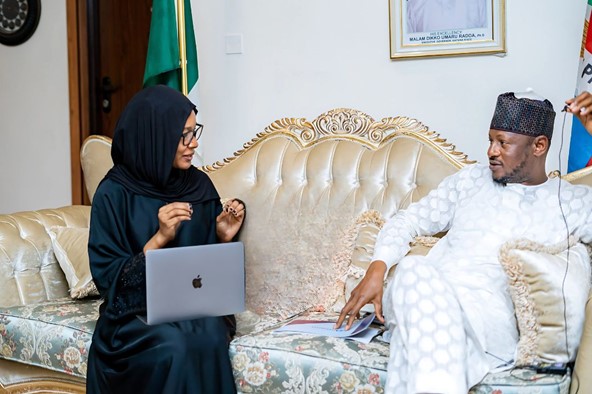
In his remarks, the governor expressed his gratitude to Datharm for this vital intervention and acknowledged the importance of technology-driven solutions in addressing healthcare challenges.
“We believe technology is key to solving our healthcare challenges,” Governor Radda stated. “That is why we introduced e-health solutions in our major health facilities and created an ICT directorate to oversee these innovations. There is no meaningful development without data, and MCHTrack is a critical tool for ensuring that every child gets immunized and that mothers receive the care they need.”
“The MCHTrack project is a program that enhances immunization as well as helping pregnant women receive the necessary care that they need and we will continue to support it at whatever level.”
The governor further emphasized the administration’s commitment to improving primary healthcare across the state. “We have awarded contracts for 150 new primary health centers, ensuring that they are functional and operate 24/7. Our goal is to reduce maternal and child mortality rates by making healthcare more accessible to all.”
A Brighter Future for Maternal and Child Health
MCHTrack stands as a testament to the power of technology in transforming healthcare. As the program scales up, the hope is to expand its reach, making maternal and child healthcare more accessible across Nigeria.

“Visibility is a critical first step toward achieving equitable healthcare access, especially for marginalized and hard-to-reach populations. With MCHTrack, we’re strengthening that visibility–ensuring every woman and child is counted, seen and supported.” Amina emphasizes.